Dog Training in Dublin: Building Focus, Calm, and Better Everyday Habits
By Pat and Jerry Anderson
Dog training in Dublin usually comes down to a simple question: can your dog behave well in real life, not just at home? Most owners are not looking for flashy tricks. They want a dog who can walk politely through the neighborhood, settle indoors, greet people without jumping, and stay connected when the environment gets busy.
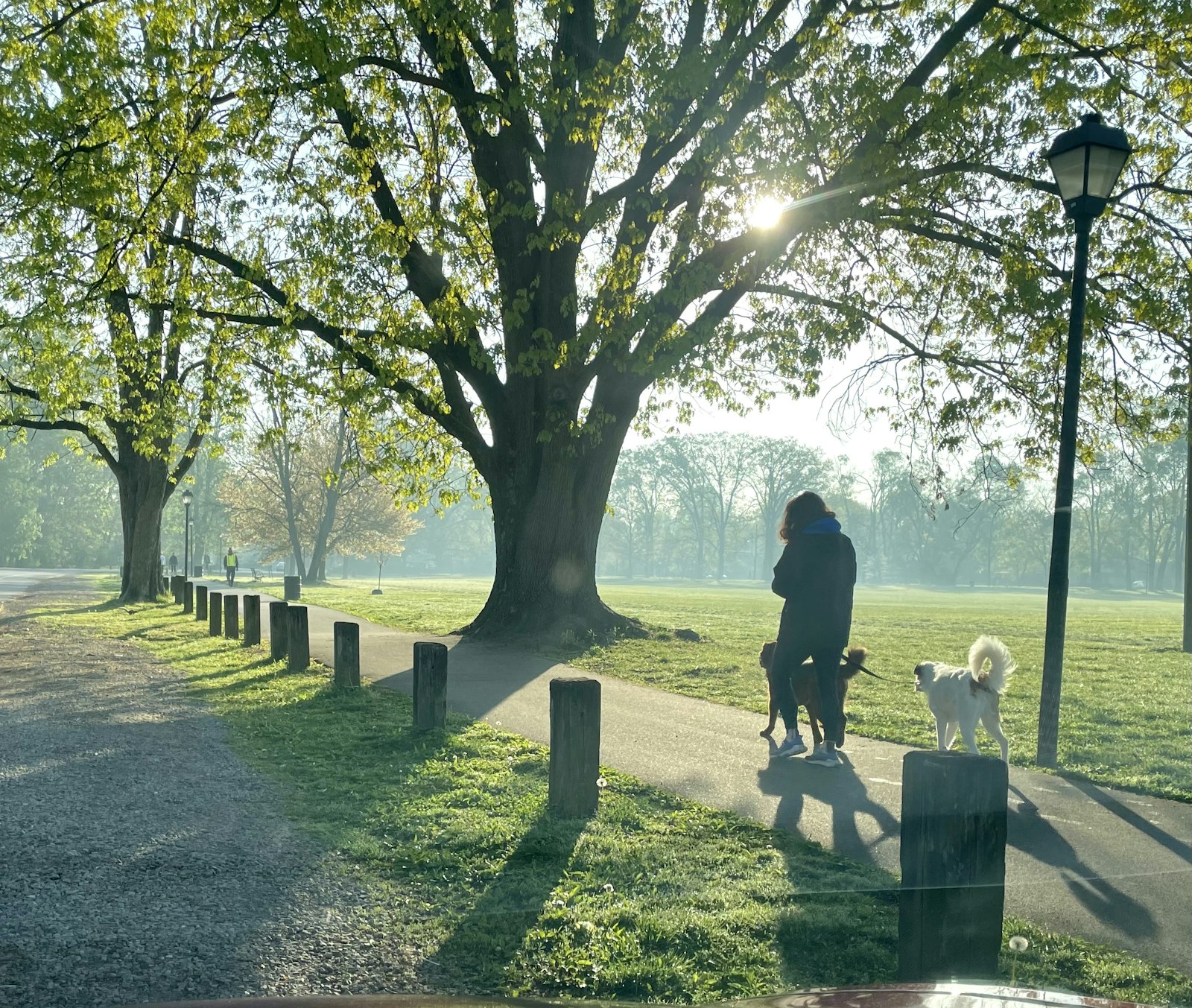
That matters in Dublin. Daily life here can shift quickly from quiet residential streets to parks, trails, traffic, kids, bikes, and other dogs. A dog who listens well in the living room may struggle the moment those distractions show up. Good training helps close that gap. It turns behavior that works in easy settings into behavior you can rely on in everyday situations.
The most useful dog training is usually the least dramatic. It is clear, steady, and built around the routines you actually live with.
Training should fit the dog you have
Not every dog learns the same way or at the same pace. Some dogs lose focus because they are overly excited. Others shut down because they are cautious or overwhelmed. A puppy may be friendly but impulsive, while an adolescent dog may seem to forget everything as soon as the world gets interesting.
That is why good training starts with observation. What makes your dog pull, bark, jump, or tune you out? When does your dog still have enough focus to respond? What situations push things past the point where learning is likely to happen?
In Dublin, those questions matter because the environment changes fast. A quiet walk can suddenly include scooters, traffic, other dogs, or children moving unpredictably nearby. Training gets more effective when you stop thinking in terms of what dogs should know in theory and start thinking about what your dog needs to handle life here more calmly.
The most valuable skills are the everyday ones
Fun tricks are fine, but most owners get more value from practical skills. The easiest dogs to live with are not always the ones who know the most commands. They are the ones who have solid daily habits.
For many Dublin dog owners, that means working on:
- loose-leash walking
- coming when called
- calmer greetings
- waiting at doors
- settling indoors
- redirecting attention away from distractions
These are the behaviors that change everyday life. A dog who checks in during walks is easier to enjoy than a dog who drags you down the sidewalk. A dog who stays grounded when guests arrive is easier for everyone to be around. These skills may not look impressive on paper, but they create a lot more freedom and a lot less stress.
Why Dublin can make training feel harder
Dublin has the kind of layout that exposes weak training quickly. Dogs may move from quiet neighborhood streets to community parks, family-heavy areas, and open-space trails where scents and movement compete for attention. Even a short outing can ask far more of a dog than a training session at home.
That does not mean you need to train everywhere at once. It does mean you should expect context to matter. A dog who understands “sit” in the kitchen may not respond the same way when another dog passes by. A puppy who comes running indoors may find the outside world too interesting to leave. A dog who seems calm in the backyard may become overstimulated near Dougherty Hills Open Space or around the activity at Emerald Glen Park.
That is normal. Dogs do not automatically apply a skill to every new setting. They need repetition in different places, with difficulty added gradually. When progress feels uneven, it often does not mean your dog forgot. It usually means the skill is not fully built yet in a more distracting environment.
Puppy training in Dublin should focus on confidence and self-control
For puppies, training is not just early obedience. It is where future habits start to take shape. Owners often hear a lot about socialization, but that word gets misunderstood. Socialization does not mean overwhelming a puppy or letting them rush up to every person and dog they see.
What puppies need is steady, manageable exposure to the world. In Dublin, that might mean hearing traffic from a comfortable distance, walking through a new neighborhood, calmly watching people at a park, or learning to stay engaged with you when something more interesting is happening nearby. The goal is not nonstop stimulation. The goal is confidence without chaos.
Puppies also need structure at home. Bite inhibition, crate comfort, nap routines, potty training, leash introduction, name response, recall games, and polite greetings all matter early. So does learning how to settle after play. Puppies who never practice calm often grow into adolescent dogs who have a hard time switching off.
Some of the best puppy training looks simple from the outside. That is because it is building the foundation for everything that comes later.
Adult dogs can improve more than people think
Many owners worry they missed their chance if their dog is older, reactive, or already full of rough habits. In most cases, they have not. Adult dogs can make real progress when training becomes clearer, more consistent, and more realistic.
A dog who pulls has practiced pulling. A dog who barks out the window has practiced barking. A dog who ignores recall has practiced ignoring it. Those habits can feel deeply set, but they can still change. The work is usually less about forcing obedience and more about changing what the dog rehearses every day.
That may mean shorter sessions, better rewards, more management, more distance from triggers, or fewer situations where the dog is being asked to perform beyond its current ability. For many adult dogs, progress starts when owners lower the pressure and keep the dog under threshold long enough for learning to happen.
What to look for in dog training in Dublin
Some owners can handle a lot of training on their own. Others benefit from professional help, especially if the dog is fearful, reactive, highly impulsive, or difficult to manage in public.
If you are looking for dog training in Dublin, it helps to find someone who teaches the owner as well as the dog. You should understand what is being taught, why it matters, and how to practice it between sessions. Training should make daily life clearer, not more confusing.
It also helps to work with someone who focuses on real-world goals. That might mean raising a puppy who can become a reliable neighborhood dog, improving leash manners around places like Alamo Creek Park, or helping a dog stay calmer around everyday activity instead of escalating every time the environment gets busy.
Strong training usually comes from good timing, repetition, consistency, and realistic expectations, not shortcuts.
Train for the life you actually want
A good training plan starts with practical goals. What would make daily life easier next month? Where is your dog struggling most right now? What behavior would make the biggest difference at home or on walks?
For one owner, that may be a peaceful morning walk. For another, it may be a puppy who bites less and settles more. For someone else, it may be a dog who can pass through a busy park without lunging or spiraling into overexcitement.
Those are worthwhile goals because they are specific, useful, and tied to real life. Training is not about perfection. It is about helping your dog become more reliable, more responsive, and easier to guide through the world you share.
In Dublin, that payoff is easy to see. A well-trained dog can enjoy more of daily life with you, and you can enjoy your dog more in return. That is the real value of good training: not just better commands, but a calmer, more workable life together.